The Compact Lighting Tower Nobody Knows— Until They See It at a Trade Show
Mar 26, 2026
The Compact Lighting Tower Nobody Knows— Until They See It at a Trade Show
Why the 100–800W mobile LED light tower market is the fastest-growing gap in jobsite lighting, and how the Conssin MKT3 fills it.
Not every job needs a diesel-powered lighting tower the size of a small trailer. If you've been searching for something between a handheld work light and a full-size Generac or Allmand lighting tower, you already know the frustration: the options are surprisingly thin.
That gap — compact, high-output, truly portable LED light towers in the 100–800W range — is exactly where we've focused our engineering at Conssin. And based on the conversations we've had at recent trade shows, we're not the only ones who noticed it.
The Question We Keep Getting Asked
At every trade show this year, the same thing happens. Visitors walk past our booth, stop, and double back when they see the Conssin Quadpod Mobile Light Tower MKT3. The questions pour in: How bright is it? How tall does it go? Can one person set it up?
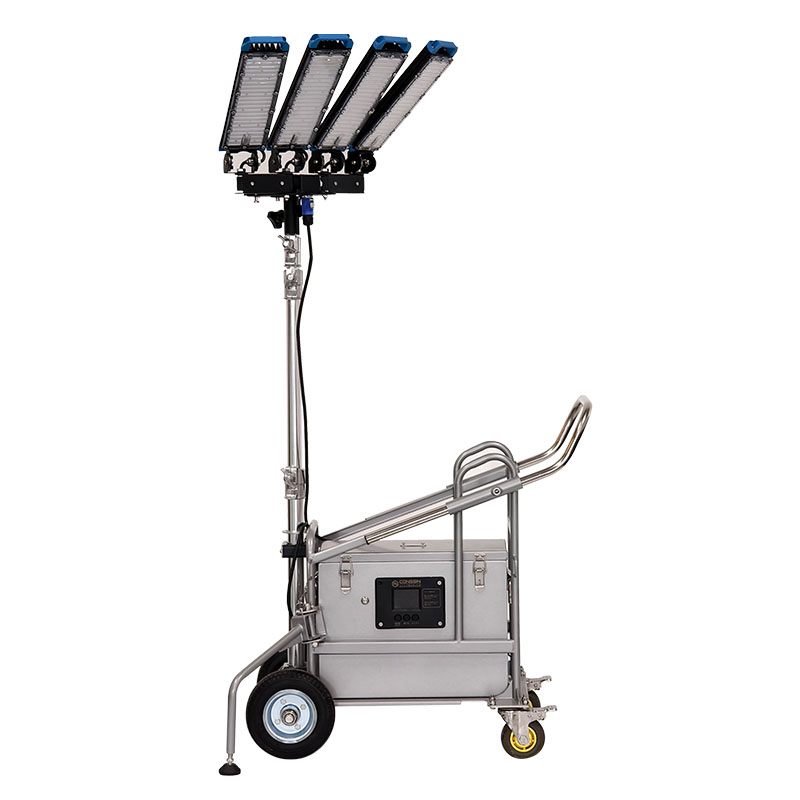
Here's the short answer: the MKT3 delivers 70,000 lumens from a 500W LED system, electric mast can extend to 5 meters (over 16 feet) at the push of a button, and weighs just 56 kg. One person wheels it into position, presses a button, and the motorized mast does the rest.
What the Market Looks Like Right Now
If you search online for "mobile lighting tower" or "portable LED light tower," you'll find two worlds that barely overlap.
On one end, there are the heavy hitters: trailer-mounted, diesel-powered towers from Generac, Allmand, Wacker Neuson, and others. These are fantastic machines for highway construction and large-scale site illumination. They're also heavy, expensive, loud, and completely overkill for a mid-size event, a warehouse renovation, or a military forward operating base that needs quiet, fast-deploy lighting.
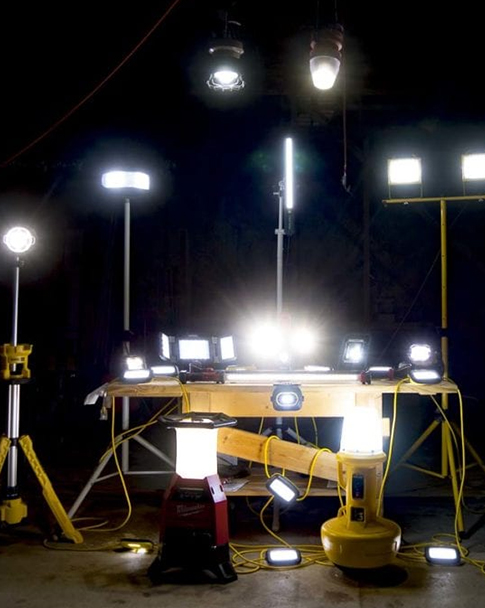
On the other end, you've got battery-powered personal work lights. Milwaukee's M18 ROCKET tower light lineup is probably the most searched-for product in this space — and for good reason. Milwaukee makes excellent tools. Their ROCKET series is well-designed, portable, and built into an ecosystem of batteries that tradespeople already own.
But there's a significant performance ceiling. The M18 ROCKET Tower Light tops out at 6,000 lumens and 7 feet of height. Their Dual Power model maxes out at 2,500 lumens. Even the larger MX FUEL ROCKET Tower— which retails around $3,999 with a battery — delivers 27,000 lumens at a 10-foot height.
Those are good numbers for task lighting around a single work area. They're not enough to illuminate a night-time outdoor event, a construction staging zone, or an emergency rescue perimeter.
Where the Conssin MKT3 Fits
The MKT3 was designed for the space between personal work lights and industrial trailer towers. Here's a side-by-side look at how it stacks up:
Specification
Conssin MKT3-500
Milwaukee MX FUEL ROCKET (MXF041-1XC)
Milwaukee M18 ROCKET (2136-20)
Total Lumens
70,000 lm
27,000 lm
6,000 lm
Effective Lumens
58,000 lm
—
—
Power Consumption
500W (dimmable 0–100%)
Battery / AC
Battery / AC
Max Height
5 m (16.4 ft)
3 m (10 ft)
2.1 m (7 ft)
Mast Deployment
Motorized, one-button
Motorized
Manual
Weight
56 kg (123 lbs)
~53 kg with battery
~15 lbs
IP Rating (Lights)
IP69
IP65
—
IP Rating (Tower)
IP66 / IK10
—
—
Color Temperature
5000K
—
—
Input Voltage
AC 100–277V
MX FUEL battery / AC
M18 battery / AC
Folded Size
400 × 450 × 1,310 mm
Collapses to 44"
Collapses to < 4 ft
Approx. Price
Contact for quote (factory direct)
~$3,999 (with battery)
~$449 (tool only)
A few things jump out from this comparison.
Lumen output is not even close. The MKT3 produces 70,000 lumens — nearly 2.6× the output of Milwaukee's largest tower light and over 11× their most popular M18 model. When you need to actually illuminate a work zone, staging area, or event space rather than light up the immediate area around a single task, that difference is night and day (literally).
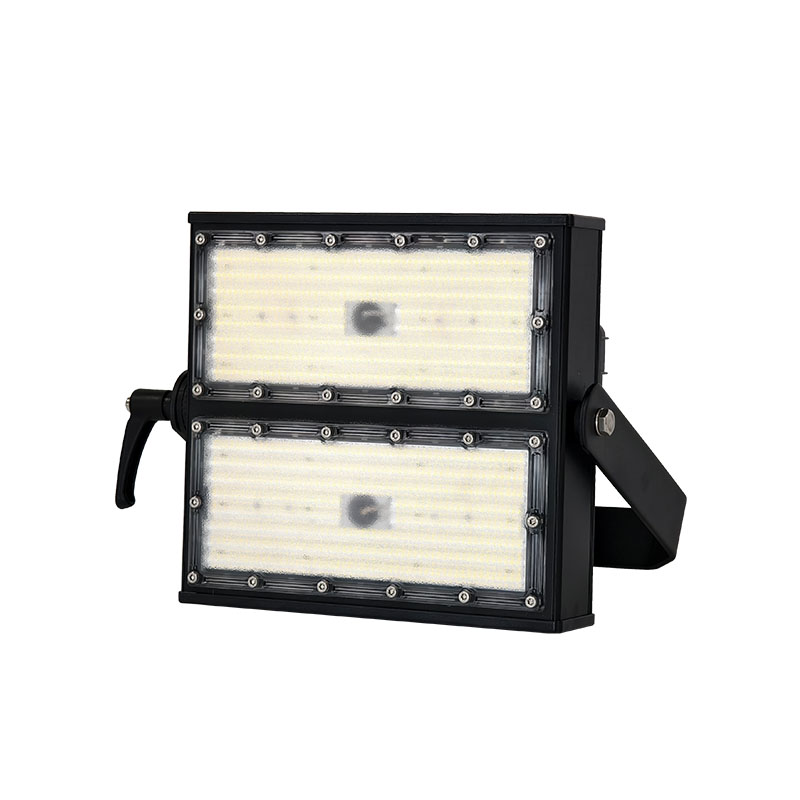
The IP ratings tell a durability story. The MKT3's floodlight heads (MKT1) carry an IP69 rating, meaning they can handle high-pressure, high-temperature water jets — the kind of abuse you'd see on a mining site, a port facility, or outdoor military deployment. The tower structure itself is rated IP66 with IK10 impact protection. Milwaukee's MX FUEL carries an IP65 rating, which covers dust and low-pressure water. For jobs in harsh or unpredictable weather, that difference in protection class matters.
Continuous dimming gives you real control. The MKT3 offers 0–100% stepless dimming. That means you can dial the output down to exactly what you need — whether it's full blast for a nighttime construction pour or 30% for a quiet evening event. The Milwaukee units offer 2–3 preset brightness modes.
"But What About Battery Power?"
Fair question, and we'll be upfront: the MKT3-500 currently runs on AC power (100–277V universal input). It does not have an integrated battery option today.
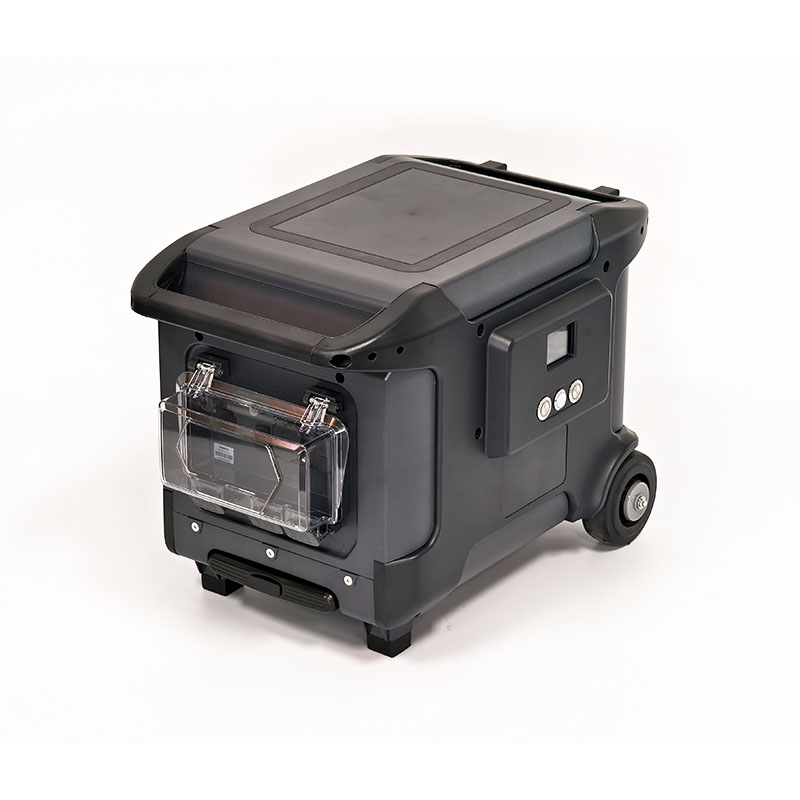
That changes soon. We're actively developing a battery-powered version of the MKT3, and we expect to release it within the next few months. The engineering is well underway, building on the same cartridge battery platform we already use in our MKT2 model (which offers a swappable 1,536Wh lithium battery).
In the meantime, the AC-powered MKT3 is an excellent fit for any site with generator access — which, on most construction sites, events, and military deployments, is already standard. And because the MKT3 draws only 500W at full brightness, it sips power compared to the diesel generators that traditional light towers require.
If battery portability is your top priority right now, Milwaukee's ROCKET series is a solid choice for smaller-scale, short-duration task lighting. But if you need serious illumination output — and you have or plan to have a generator on site — the MKT3 delivers dramatically more light per dollar.
Who Is This For?
The MKT3 was built with specific use cases in mind, all sharing common requirements: mobility, high output, fast deployment, and quiet operation.
Events and entertainment. Outdoor concerts, festivals, sporting events, film sets, and wedding venues all need powerful, adjustable lighting that can be set up and torn down quickly. A diesel tower is too loud and too big. The MKT3 rolls in, extends at the push of a button, and dims to whatever level the event requires.
Construction. Night pours, underground work, early-morning starts — the MKT3 lights up the entire zone, not just the spot directly in front of you. At 5 meters height, it casts light over barriers, equipment, and scaffolding that shorter towers simply can't clear.
Military and defense. Forward operating bases, field hospitals, and perimeter security all need lighting that's tough, fast to deploy, and doesn't attract unnecessary attention with diesel engine noise. IP69-rated light heads and IP66 tower construction mean the MKT3 handles sand, rain, and impact without complaint.
Ports and logistics. Container yards, loading docks, and intermodal facilities need broad, high-mounted lighting for safe overnight operations. The MKT3's long-range flood lens and 5-meter height provide even coverage across a wide working area.
Emergency and rescue. When a disaster response team arrives at a scene, they need light now — not after a 20-minute setup process. The MKT3's one-button mast deployment means you're operational in under a minute.
The Bigger Picture: A Market Gap That's Closing
The 100–800W compact LED light tower segment has been underserved for years. Traditional manufacturers focused on the high end — 1,000W+ diesel towers for highway and infrastructure work. Tool manufacturers like Milwaukee came at it from the low end — maximizing what a battery-powered handheld platform can do.
The middle ground — high-output, truly mobile, LED-only towers that don't require a trailer or a diesel engine — has been waiting for dedicated engineering. That's the gap we built the MKT series to fill.
Whether you're a rental company looking to expand your fleet with a high-demand product category, a contractor who needs more light than a personal tower can deliver, or an event planner tired of renting diesel monsters for a 200-person outdoor dinner, the MKT3 is worth a closer look.
Ready to See It for Yourself?
We offer factory-direct pricing on the MKT3 and the full MKT series. If you'd like a quote, a spec sheet, or just want to talk through whether this is the right fit for your operation, reach out to our team:
Website: conssin-lumienergy.com
Email: sales@conssincorp.com
WhatsApp: +86-15980748915
And if you're heading to an upcoming trade show — come find our booth. The MKT3 tends to stop people in their tracks.
Conssin Lighting (Fuzhou Conssin Lighting Co., Ltd.) designs and manufactures industrial LED lighting and mobile light tower systems. All MKT-series products are available factory-direct worldwide.
Read More




 IPv6 network supported.